Tux: The Penguin That Became the Symbol of Linux
The friendly Linux penguin stands for community, collaboration and the freedom to share knowledge.
From kernel to community
In 1991, Linus Torvalds began developing the Linux kernel. Developers worldwide joined the project, and the kernel became an essential part of many operating systems, servers and embedded devices.
The birth of Tux
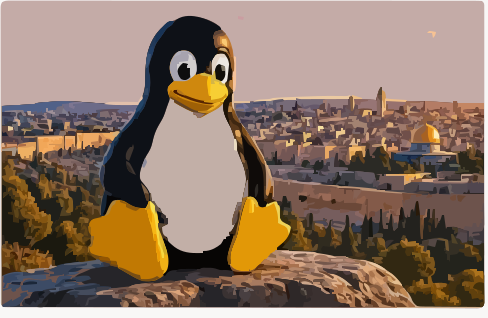
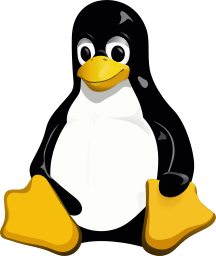
In 1996, artist Larry Ewing drew the familiar seated penguin using GIMP. Torvalds had expressed a preference for a friendly, contented penguin rather than a formal corporate-looking logo.
Why the name Tux?
The name is commonly associated with “Torvalds’ UniX” and with “tuxedo”, a reference to the penguin’s black-and-white appearance. James Hughes proposed the name during the mascot discussions.
More than a logo
Tux appears on community websites, stickers, shirts, games and conferences. It represents a welcoming community, but it is specifically associated with the Linux kernel rather than being an official symbol for every GNU project.
Free software and cooperation
The story illustrates how code, art and volunteers can create a shared identity. Linux is maintained through a global network of contributors who review, test and improve software.